
- Anasayfa
- Kategoriler
- Yazarlar
- Hizmetlerimiz
- Akademik Faaliyetler
- Hakkımızda
- İletişim
- Giriş Yap
- Sepet: (0 TL)
| Yazar: | Mehmet Akif Tan |
| Eser Türü: | Basılı, Dijital |
| Yayıncı: | DTA Yayıncılık |
| Yayın Tarihi: | 12/03/2026 |
| Kategori: | Din Bilimleri |
| Sayfa Sayısı: | 133 |
| Dil: | Türkçe |
| Kapak: | Karton |
| Boyut: | 13.5x21 |
| ISBN: | 978-625-8606-07-2 |
| E-ISBN: | 978-625-8606-06-5 |
| DOI: |
 10.70717/dta. 9786258606065
|
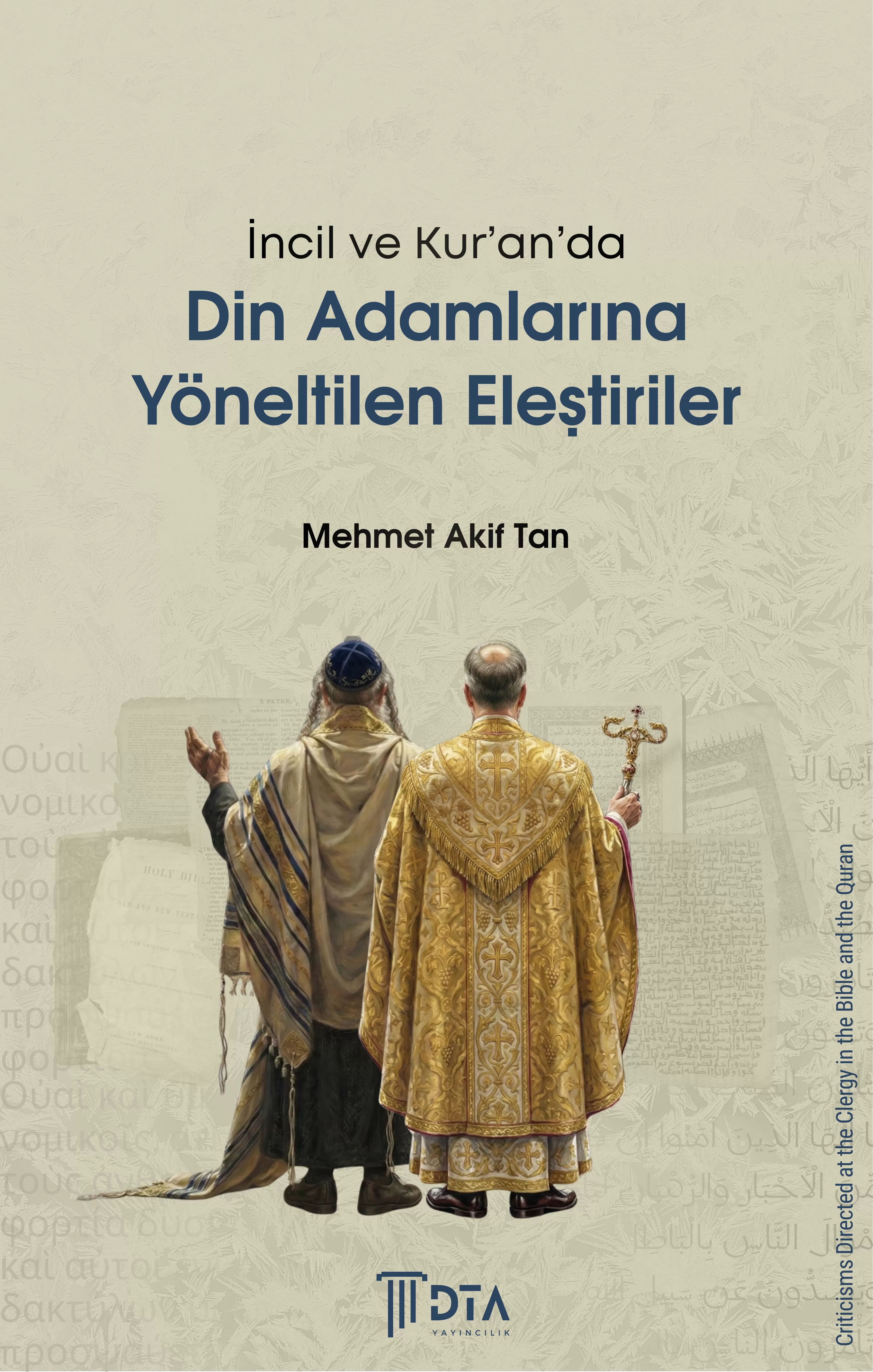
Din adamları, tarihsel süreç içerisinde kendilerini ilahî mesajı insanlara tebliğ eden peygamberlerin temsilcileri ve yardımcıları olarak konumlandırmış, mensubu bulundukları dinin öğretilerini topluma aktarma görevini üstlenmişlerdir. Bu konum, onlara dinî ve toplumsal bakımdan önemli bir otorite sağlamıştır. Ancak zamanla bazı din adamları, sahip oldukları bu otoriteyi korumak ve sürdürmek yerine, manevî sorumluluklarından uzaklaşarak dünyevî çıkarlarını öncelemişlerdir. Bu bağlamda, peygamberlerin rehberlik amacıyla ortaya koyduğu öğretileri kendi yorumlarına göre şekillendirmiş, bazı durumlarda ise kutsal metinleri tahrif ederek ilahî mesajı kendi menfaatleri doğrultusunda yeniden üretmişlerdir. Dinin asli ilkelerinin değiştirilmesi, emir ve yasakların farklılaştırılması ve bunların ilahî iradenin bir yansıması gibi sunulması, söz konusu din adamlarını hem Allah’ın hoşnutsuzluğuna hem de peygamberlerin eleştirilerine muhatap kılmıştır. Bu eserde, öncelikle eleştirilere konu olan din adamlarının kimlikleri ve dinî konumları ele alınmakta; ardından İncil ve Kur’an çerçevesinde bu kişilere yöneltilen eleştiriler ve bu eleştirilerin dayanakları incelenmektedir. Çalışma, ilk bölümde Yahudi mezhepleri ile Yahudilik ve Hıristiyanlıktaki din adamı sınıflarının oluşumunu, görevlerini ve dinî otorite içindeki yerlerini ortaya koymaktadır. İkinci bölümde, İncil’de özellikle Yahudi din adamlarına yönelik Hz. İsa’nın sosyal, ekonomik, siyasi ve dinî eleştirileri ayrıntılı biçimde değerlendirilmektedir. Üçüncü bölümde ise Kur’an’ın Yahudi ve Hıristiyan din adamlarına yönelttiği eleştiriler; vahyi tahrif, dünyevileşme, hakkı gizleme ve dinî otoriteyi istismar etme gibi başlıklar çerçevesinde ele alınmaktadır.
Throughout history, the clergy have positioned themselves as the representatives and assistants of the prophets who convey the divine message to humanity, undertaking the duty of transmitting the teachings of their respective religions to society. This position has granted them significant religious and social authority. However, over time, rather than preserving and sustaining this authority, some members of the clergy distanced themselves from their spiritual responsibilities and prioritized their worldly interests. In this context, they shaped the teachings set forth by the prophets for guidance according to their own interpretations, and in some cases, they distorted sacred texts, reproducing the divine message in line with their own interests. The alteration of the fundamental principles of religion, the modification of commands and prohibitions, and the presentation of these changes as reflections of the divine will have subjected these clerics to both the displeasure of God and the criticism of the prophets. In this work, first, the identities and religious positions of the clergy subject to criticism are addressed; subsequently, the criticisms directed at these individuals and the grounds for these criticisms are examined within the framework of the Gospel and the Quran. In the first chapter, the study presents the Jewish sects alongside the formation, duties, and roles within the religious authority of the clerical classes in Judaism and Christianity. The second chapter evaluates in detail the social, economic, political, and religious criticisms made by Jesus, particularly targeting the Jewish clergy as depicted in the Gospel. In the third chapter, the Quran’s criticisms of Jewish and Christian clergy are discussed under themes such as the distortion of revelation, worldliness, concealing the truth, and the abuse of religious authority.
Dinler Tarihi, İncil, Kur'an
History of Religion, Bible, Qur'an
DTA Yayıncılık, kitap yayıncılığının yanı sıra, akademik kitap ve tez projelerine yönelik danışmanlık ve editoryal hizmetler, dizgi ve tasarım çalışmaları (afiş ve web tasarımı dahil) ile akademik bilgi paylaşımı destekleyen kurslar ve atölyeler düzenlemektedir.
© Copyright DTA. Tüm Hakları Saklıdır

Bugünkü Ziyaret: 285 | Toplam Ziyaret: 125338